What is Sleep Apnea and How Does it Affect Health?
Sleep apnea is a sleep disorder where your upper airway repeatedly collapses during sleep, causing breathing interruptions that fragment your rest and drop blood oxygen levels. Each episode can last from seconds to minutes, occurring dozens or even hundreds of times per night.
Prevalence in Australia
Sleep apnea Australia statistics reveal this condition affects approximately 8% of the adult population. Men face higher rates than women, though the gap narrows after menopause. The actual numbers may be higher since many cases remain undiagnosed.
Recognizing the Warning Signs
Common symptoms include:
- Loud, chronic snoring with gasping or choking sounds
- Excessive daytime sleepiness despite adequate time in bed
- Morning headaches and dry mouth upon waking
- Difficulty concentrating and memory problems
- Irritability and mood changes
- Witnessed breathing pauses during sleep
Who’s at Risk?
Age significantly increases vulnerability, with prevalence rising sharply after 40 years. Body mass index (BMI) plays a critical role—excess weight around the neck and throat narrows airways. Other risk factors include neck circumference over 43cm in men or 41cm in women, family history, and anatomical features like a thick neck or narrow airway.
The Health Risks of Sleep Apnea
Untreated sleep apnea creates cascading health complications. The repeated oxygen drops and sleep fragmentation trigger stress responses throughout your body. This chronic strain contributes to:
- Cardiovascular disease: High blood pressure, heart attacks, strokes, and atrial fibrillation
- Metabolic disorders: Type 2 diabetes and insulin resistance
- Cognitive decline: Increased dementia risk and accelerated brain aging
- Mental health: Depression and anxiety disorders
- Safety concerns: Motor vehicle and workplace accidents due to excessive sleepiness
The severity of these health risks of sleep apnea makes early detection through methods like a sleep apnea test at home Australia essential for protecting long-term wellbeing.
Why Should Individuals Consider a Sleep Apnea Test at Home in Australia?
Home sleep apnea tests offer a practical alternative to traditional laboratory studies, allowing Australians to complete diagnostic testing in their own bedrooms. The home sleep apnea test benefits extend beyond simple convenience—they fundamentally change how patients access care while maintaining diagnostic accuracy.
The Core Advantages of Home Testing
Traditional sleep laboratory studies require patients to spend entire nights in unfamiliar clinical environments, connected to extensive monitoring equipment. Home testing eliminates this barrier by providing simplified devices that patients operate independently. The convenience of home testing Australia residents experience translates to:
- No waiting lists for sleep laboratory appointments
- Reduced costs compared to in-lab polysomnography
- Natural sleep environment promoting typical sleep patterns
- Flexible scheduling around work and family commitments
Comfort and Accessibility Make the Difference
Testing in your own bed removes the anxiety many people feel when trying to sleep in clinical settings. The familiar surroundings, your regular mattress, and normal bedtime routine all contribute to more representative sleep data. Patients avoid the stress of overnight hospital stays, parking challenges, and time away from home.
Home testing also serves regional and rural Australians who face significant travel barriers to reach metropolitan sleep laboratories. A device can be posted directly to patients, making specialist sleep diagnostics accessible regardless of location.
Multiple Night Monitoring Enhances Accuracy
Home sleep studies typically record data across several consecutive nights rather than the single night captured in laboratory settings. This multi-night approach captures night-to-night variability in sleep patterns, providing physicians with a more comprehensive picture of breathing disturbances.
Sleep quality naturally fluctuates—stress, diet, alcohol consumption, and other factors affect each night differently. Recording multiple nights ensures that one unusually good or bad night doesn’t skew the diagnosis. The accumulated data reveals consistent patterns that indicate true sleep apnea severity.
Ideal for Straightforward Cases
Home sleep apnea testing suits the majority of patients suspected of having obstructive sleep apnea without complicating medical conditions. The devices effectively monitor the key parameters needed to diagnose sleep-disordered breathing:
- Blood oxygen saturation levels
- Breathing effort and airflow
- Heart rate variations
- Body position during sleep
How Does a Home Sleep Apnea Test Work in Australia?
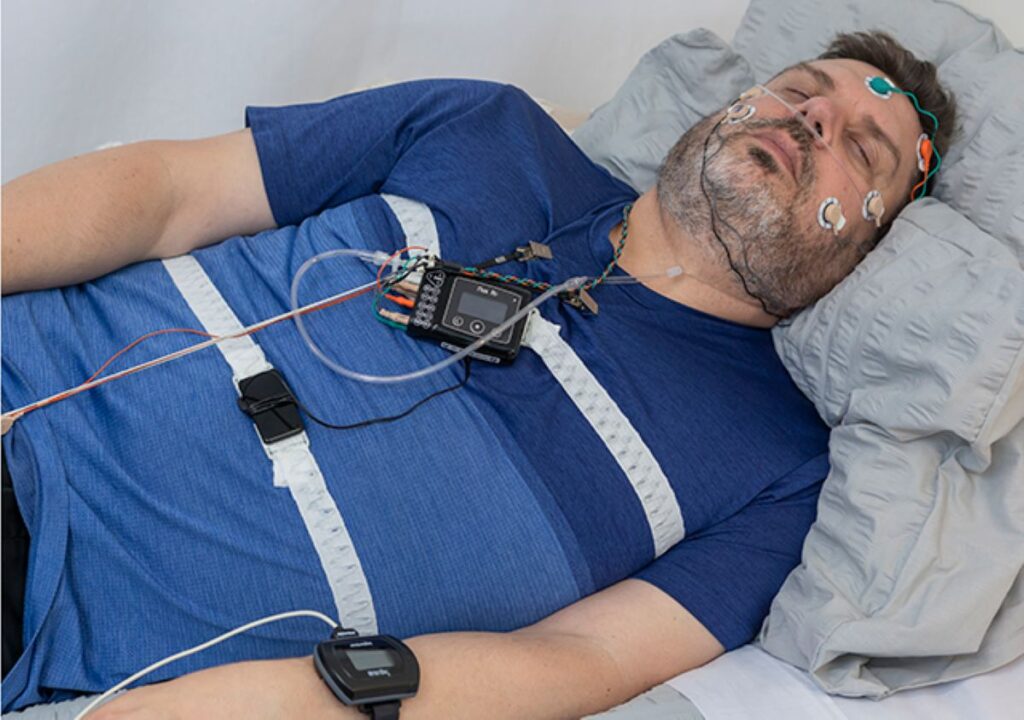
A home sleep study process Australia involves using a compact monitoring device that tracks specific physiological parameters while you sleep in your own bed. The equipment measures heart rate, body movement, oxygen saturation levels, and breathing effort through sensors attached to your body. These sleep monitoring devices are significantly smaller and less intrusive than hospital equipment, typically consisting of a small recording unit, finger sensor, nasal cannula, and chest belts.
What Equipment Do You Wear During the Test?
The standard home testing kit includes several components that work together to capture your sleep data:
- Pulse oximeter: A small sensor clips onto your fingertip to measure blood oxygen levels and heart rate throughout the night
- Nasal cannula: A thin tube positioned under your nose detects airflow and breathing patterns
- Effort belts: Elastic bands worn around your chest and abdomen measure breathing effort and movement
- Recording device: A compact unit (often worn on your wrist or clipped to clothing) collects and stores all the data
The entire setup takes approximately 10-15 minutes to complete before bed. Most devices feature simple colour-coded connections and clear instructions to ensure proper placement.
How Do You Use the Device Over Multiple Nights?
You’ll typically keep the home sleep study equipment for 3-5 consecutive nights to ensure accurate data collection. Each evening, you attach the sensors following the provided instructions, then sleep as normally as possible. The device automatically begins recording when it detects you’ve fallen asleep.
Upon waking, you remove the sensors and place the equipment back in its case. The device stores each night’s data internally, building a comprehensive picture of your sleep patterns across multiple nights. This multi-night approach captures variations in your breathing that might occur on different nights, providing more reliable diagnostic information than a single night’s recording.
Some providers offer devices with wireless connectivity that automatically transmit data to their systems, while others require you to return the equipment via courier or drop-off location.
What Makes Home Testing Different from Laboratory Studies?
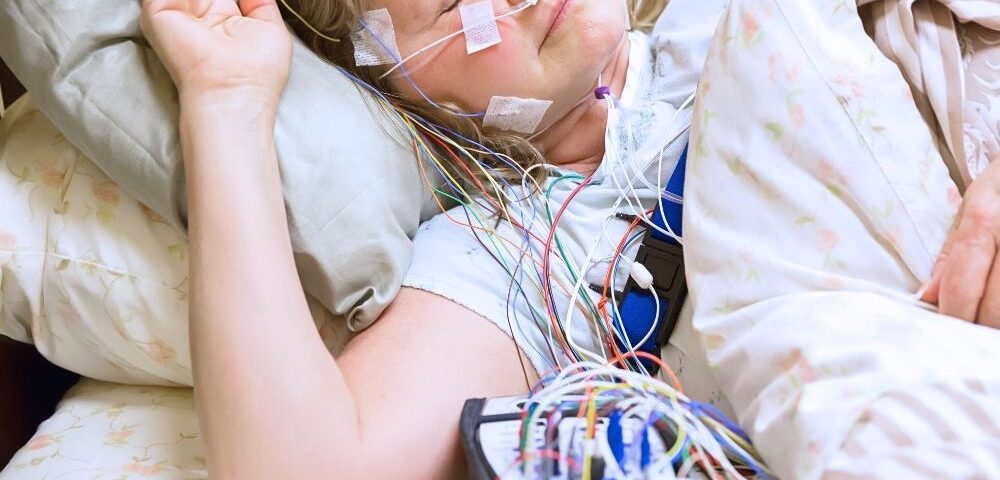
Laboratory-based polysomnography monitors over 20 different parameters including brain waves (EEG), eye movements, muscle activity, leg movements, and body position alongside respiratory measurements. Patients spend the entire night in a sleep lab
Who is Eligible or Ineligible for Home Sleep Apnea Testing in Australia?
Most adults experiencing typical sleep apnea symptoms qualify for home testing when they have no complex medical conditions. The eligibility for home sleep test Australia extends to patients with suspected obstructive sleep apnea who present with snoring, witnessed breathing pauses, excessive daytime sleepiness, or morning headaches.
Who Benefits Most from Home Testing?
Patients with straightforward cases represent ideal candidates for home-based assessment. Adults with moderate to high pre-test probability of obstructive sleep apnea based on clinical evaluation receive the most accurate results from home devices. Those who struggle with claustrophobia or anxiety in clinical settings find home testing particularly valuable, as sleeping in familiar surroundings produces more representative data.
Individuals seeking Medicare rebates must obtain referrals from general practitioners or specialists who assess their suitability. The referral process ensures patients meet basic health criteria before proceeding with home monitoring.
Medical Conditions That Exclude Home Testing
Several health conditions create contraindications for home test procedures, requiring laboratory-based polysomnography instead:
Respiratory Complications
- Severe chronic obstructive pulmonary disease (COPD)
- Resting hypoxia (low oxygen levels while awake)
- Resting hypercapnia (elevated carbon dioxide levels)
- Neuromuscular diseases affecting breathing muscles
Cardiovascular Issues
- Significant heart failure
- Unstable angina
- Recent heart attack or stroke
- Severe arrhythmias requiring monitoring
Physical and Medication Factors
- Morbid obesity (typically BMI >40)
- Chronic narcotic use affecting respiratory drive
- Suspected central sleep apnea or complex breathing patterns
Why These Exclusions Matter
Patients with these conditions require comprehensive monitoring that home devices cannot provide. Laboratory polysomnography captures brain wave activity, detailed cardiac rhythms, and continuous observation by trained technicians. This level of monitoring becomes essential when respiratory or cardiovascular instability poses risks during sleep.
Neuromuscular diseases demand specialized assessment because they affect breathing mechanics differently than standard obstructive sleep apnea. Chronic narcotic users need evaluation for central apneas, which are often associated with more complex breathing patterns that require further investigation beyond what a home test can provide.
How Can Patients Access Home Sleep Apnea Testing Through Medicare in Australia?
Medicare rebates sleep apnea test Australia are available when a qualified healthcare professional orders the test for patients at high risk of obstructive sleep apnea. The rebate covers a portion of the testing costs, making home sleep studies more affordable for eligible Australians.
Does Medicare Cover Home Sleep Apnea Tests?
Medicare provides rebates for home sleep apnea testing under specific circumstances. The test must be ordered by a medical practitioner, which includes general practitioners, respiratory physicians, ear nose and throat specialists, or sleep physicians. Patients cannot self-refer for Medicare-eligible testing.
The rebate applies to patients who demonstrate clinical indicators of moderate to severe obstructive sleep apnea. This includes individuals experiencing excessive daytime sleepiness, witnessed breathing pauses during sleep, or loud snoring combined with other risk factors.
What Role Do GPs and Specialists Play in the Referral Process?
General practitioners serve as the primary gateway for accessing Medicare-rebated home sleep apnea testing. During a consultation, your GP will assess your symptoms, medical history, and risk factors to determine if testing is appropriate. They evaluate factors such as:
- Frequency and severity of snoring
- Episodes of gasping or choking during sleep
- Daytime fatigue and concentration difficulties
- Body mass index and neck circumference
- Existing cardiovascular or metabolic conditions
Specialists including respiratory physicians, cardiologists, and sleep physicians can also provide referrals. These specialists typically see patients with complex medical histories or those requiring additional assessment beyond standard screening.
How Do Patients Initiate the Testing Process?
The referral process for home test begins with scheduling an appointment with your GP or specialist. During this consultation, discuss your sleep-related symptoms in detail. Your doctor will conduct a physical examination and may use screening questionnaires like the Epworth Sleepiness Scale to assess daytime drowsiness.
Once your healthcare provider determines testing is necessary, they will:
- Complete a formal referral document specifying the need for home sleep apnea testing
- Provide information about approved testing providers in your area
- Discuss Medicare eligibility and any potential out-of-pocket costs
Which Providers Offer Home Sleep Apnea Tests in Australia and How Do They Support Patients?
Several specialized companies deliver home sleep apnea testing services across Australia, with ResMed Australia and Home Sleep Studies Australia standing among the most established providers. These organizations supply medical-grade monitoring equipment directly to patients’ homes, eliminating the need for overnight hospital stays while maintaining diagnostic accuracy.
Leading Home Sleep Study Providers
ResMed Australia operates as both a manufacturer of sleep therapy equipment and a provider of diagnostic services. Their home testing solutions integrate seamlessly with their broader sleep health ecosystem, offering patients a streamlined pathway from diagnosis through treatment. The company’s devices capture essential sleep metrics while patients rest in their familiar bedroom environment.
Home Sleep Studies Australia providers focus exclusively on diagnostic testing services. They maintain partnerships with medical equipment suppliers to ensure patients receive calibrated, user-friendly devices. Many regional and metropolitan areas have access to these services, with equipment delivered via courier and returned using prepaid packaging.
Healthcare Professional Networks
Home sleep testing providers establish collaborative relationships with multiple healthcare channels:
- General practitioners serve as primary referral sources, identifying patients who present with sleep apnea symptoms during routine consultations. This highlights the importance of understanding sleep apnea in general practice.
- Respiratory specialists and sleep physicians refer complex cases requiring home monitoring before or after clinical assessments
- Dentists trained in sleep medicine identify patients with oral indicators of sleep-disordered breathing
- Pharmacists in community settings provide information about testing options and facilitate referrals
- Sleep clinics and respiratory health centers coordinate home testing for patients on waiting lists or those preferring home-based assessment
This multi-channel approach ensures patients can access testing through their existing healthcare relationships rather than navigating unfamiliar referral pathways. Click here to get more about sleep testing Adelaide: your path to a better night’s sleep.
Patient Support Throughout the Testing Journey
Providers deliver comprehensive support services extending beyond equipment delivery. Most companies assign dedicated coordinators who guide patients through each testing phase via phone, email, or video consultations.
Pre-test preparation includes detailed instructions on device application, troubleshooting common issues, and understanding what constitutes valid data collection. Many providers offer instructional videos demonstrating proper sensor placement and device operation.
During-test support remains available through helplines staffed by trained technicians. Patients experiencing difficulties with equipment function or data recording can receive immediate assistance. This level of support is crucial considering the complexities involved in home sleep apnea tests which require specific conditions for accurate data collection.
What Happens After Completing a Home Sleep Apnea Test in Australia?
Your completed home sleep test data goes directly to an Australian sleep physician for comprehensive analysis. The physician examines your breathing patterns, oxygen saturation levels, heart rate variations, and body movements recorded across the testing nights to identify sleep-disordered breathing events.
How Do Sleep Physicians Review Your Test Data?
Sleep physicians analyze the frequency and severity of apnea and hypopnea episodes throughout your sleep. They calculate your Apnea-Hypopnea Index (AHI), which measures how many times per hour your breathing stops or becomes shallow. An AHI of 5-15 indicates mild sleep apnea, 15-30 represents moderate severity, and above 30 signifies severe sleep apnea.
The physician also evaluates oxygen desaturation patterns to determine how significantly your blood oxygen levels drop during breathing interruptions. These drops can reveal the impact on your cardiovascular system and overall health.
What Information Does Your Sleep Study Report Include?
Your detailed sleep study report arrives within 5-10 business days after returning your testing equipment. The report contains:
- Diagnostic classification of your sleep apnea severity
- AHI score with breakdown of obstructive, central, and mixed apnea events
- Oxygen saturation data including lowest levels and time spent below normal ranges
- Sleep position analysis showing whether breathing events occur more frequently in certain positions
- Clinical recommendations tailored to your specific condition
Interpreting home sleep test results Australia requires specialized training, which is why qualified sleep physicians provide written explanations alongside the raw data. Your report translates complex metrics into understandable information about your sleep health.
What Happens During Your Post-Test Consultation?
A post-test consultation connects you with healthcare professionals who explain your results and discuss next steps. Many Australian providers include this consultation as part of their home testing service, either through telehealth appointments or in-person meetings.
During this consultation, your healthcare provider:
- Reviews your AHI score and what it means for your health
- Discusses how sleep apnea may be contributing to your symptoms
- Explains the connection between your results and existing health conditions
- Addresses your questions about the
What Are the Treatment Options Following a Positive Sleep Apnea Diagnosis from a Home Test?
CPAP therapy Australia is the best treatment for moderate to severe obstructive sleep apnea. This therapy uses a machine that delivers continuous positive airway pressure through a mask worn during sleep, keeping airways open and preventing breathing interruptions.
CPAP Therapy Benefits
CPAP machines eliminate apnea episodes by maintaining steady air pressure in the throat. Patients typically experience immediate improvements in sleep quality, daytime alertness, and energy levels within the first few weeks of consistent use.
The therapy reduces strain on the heart by preventing oxygen desaturation events throughout the night. Studies show CPAP users experience lower blood pressure, decreased risk of heart attack and stroke, and improved cognitive function compared to untreated patients.
Modern CPAP devices in Australia have advanced comfort features such as:
- Heated humidification to prevent dry mouth and nasal passages
- Auto-adjusting pressure levels that respond to breathing patterns
- Quiet operation with noise levels below 30 decibels
- Data tracking capabilities for monitoring therapy compliance
- Multiple mask styles (nasal, full-face, nasal pillows) for personalized fit
Alternative Sleep Apnea Treatment Options
Here are some alternative treatment options for sleep apnea:
- Mandibular advancement devices: These work for mild to moderate cases by repositioning the lower jaw forward during sleep. These custom-fitted oral appliances keep the airway open without requiring electrical equipment, making them ideal for travel or patients who cannot tolerate CPAP.
- Positional therapy: This suits individuals whose apnea occurs primarily when sleeping on their back. Specialized pillows, wearable devices, or even tennis balls sewn into pajama backs encourage side-sleeping positions that naturally reduce airway collapse.
- Lifestyle modifications: These address underlying risk factors contributing to sleep apnea:
- Weight loss of 10-15% can significantly reduce apnea severity in overweight patients
- Alcohol avoidance before bedtime prevents throat muscle relaxation
- Smoking cessation reduces airway inflammation and swelling
- Regular exercise improves muscle tone and overall sleep
How Does Home Sleep Apnea Testing Improve Patient Outcomes Compared to Traditional Lab Studies?
Home sleep apnea testing delivers better results for patients by being more accessible and providing quicker diagnoses. The advantages of home sleep studies over lab studies in Australia go beyond just convenience; they are fundamentally changing how Australians get diagnosed for sleep disorders.
Convenience and Accessibility Transform Patient Experience
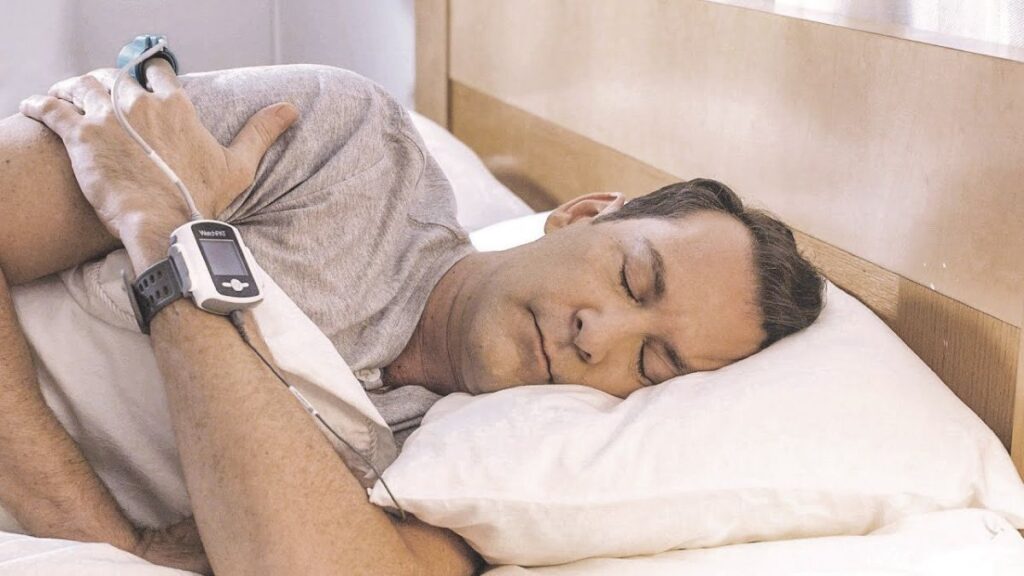
Home testing eliminates the need for overnight hospital stays in unfamiliar sleep laboratory environments. Patients complete their assessment in their own bedroom, using their regular pillow and maintaining their normal bedtime routine. This approach removes the anxiety many people experience when sleeping in clinical settings with multiple wires and monitoring equipment attached to their body.
The flexibility of home testing allows patients to conduct the study on nights that suit their schedule. Those working shift patterns or managing family commitments can choose appropriate nights without coordinating complex hospital bookings. This adaptability increases completion rates and reduces the number of patients who abandon the diagnostic process due to logistical challenges.
Cost Reduction and Shorter Waiting Times
Home sleep studies cost significantly less than laboratory-based polysomnography. The reduced overhead of home testing—no hospital bed, no overnight technician supervision, no complex facility maintenance—translates to lower fees for patients and reduced burden on the healthcare system. Medicare rebates further offset these costs when tests are appropriately referred.
Waiting times for home sleep tests typically range from days to weeks, compared to months for laboratory studies in many Australian regions. This accelerated access means patients receive their diagnosis and begin treatment sooner. The shorter diagnostic timeline is particularly valuable in regional and rural areas where sleep laboratory facilities may be hundreds of kilometres away.
Natural Sleep Patterns Yield More Accurate Data
Laboratory environments often disrupt normal sleep architecture. The presence of monitoring equipment, unfamiliar surroundings, and awareness of observation can create what sleep specialists call “first night effect”—altered sleep patterns that may not reflect a patient’s typical rest. Home testing captures sleep data in the environment where the patient actually experiences their symptoms.
Multi-night recording capability in home studies provides a more comprehensive picture of sleep-disordered breathing. Laboratory studies typically capture only one night of data, which may not represent the patient’s usual sleep patterns. Home tests conducted over three to five nights account for natural night-to-night variability in sleep apnea severity
Conclusion
Should you take action if you suspect sleep apnea? Yes—recognizing symptoms like loud snoring, daytime fatigue, or witnessed breathing pauses warrants immediate professional evaluation. Home sleep apnea testing provides an accessible sleep disorder diagnosis Australia pathway that removes traditional barriers to care.
The testing process requires minimal disruption to your routine. You sleep in your own bed, follow your normal schedule, and receive expert analysis from qualified Australian sleep physicians. This approach has transformed how thousands of Australians identify and manage their sleep-disordered breathing.
What steps should you take next? Contact your GP or healthcare provider to discuss your symptoms and request a referral for home sleep testing. Many patients qualify for Medicare rebates, making the diagnostic process both affordable and convenient.
Untreated sleep apnea compounds health risks year after year. The condition contributes to cardiovascular disease, metabolic disorders, cognitive decline, and accident risk. Early detection through home testing enables prompt intervention before complications develop.
The Ultimate Guide to a Sleep Apnea Test at Home Australia demonstrates that quality sleep disorder diagnosis no longer requires hospital stays or lengthy waiting periods. Modern home testing delivers clinical-grade results while respecting your comfort and schedule.
If you experience persistent sleep disruption, excessive daytime sleepiness, or other warning signs, seeking evaluation represents a crucial investment in your long-term health. Australian providers stand ready to support your journey from diagnosis through treatment, offering guidance at every stage.
Your path to restorative sleep and reduced health risks begins with a simple conversation with your healthcare provider about home sleep apnea testing options available in Australia.