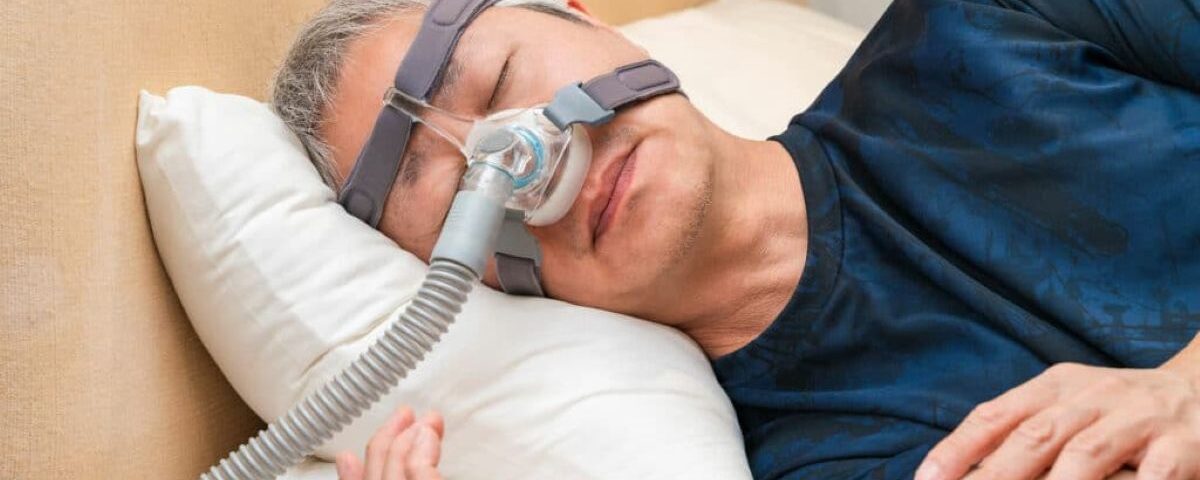
What Is Sleep Testing and Why Is It Important?
Sleep testing monitors your body’s activity during sleep to identify what’s disrupting your rest. Medical professionals use specialized equipment to track brain waves, breathing patterns, oxygen levels, heart rate, and body movements throughout the night.
Two main types of sleep studies serve different needs:
- In-clinic polysomnography – Conducted in a private hospital or specialized sleep center where technicians monitor you overnight with comprehensive equipment
- Home-based sleep studies – Portable devices you wear in your own bed, offering convenience while capturing essential sleep data
The diagnostic process reveals patterns invisible during waking hours. Sleep testing Adelaide uncovers whether snoring stems from obstructive sleep apnea or simple congestion. It distinguishes between insomnia caused by anxiety versus a circadian rhythm disorder. Without objective measurements, symptoms like daytime fatigue or restless nights remain mysteries.
Medical specialists analyze the recorded data to pinpoint specific disruptions. A sleep study might reveal you stop breathing 30 times per hour, explaining chronic exhaustion despite spending eight hours in bed. The test captures leg movements indicating restless legs syndrome or unusual brain activity suggesting narcolepsy.
Accurate diagnosis through sleep testing enables:
- Targeted treatment plans rather than guessing at solutions
- Prevention of serious health complications linked to untreated disorders
- Improved quality of life through restored restorative sleep
Sleep testing transforms vague complaints into measurable conditions with proven treatment pathways. The data collected during these studies provides the foundation for effective management strategies tailored to your specific sleep disorder.
Which Sleep Disorders Can Be Diagnosed Through Testing in Adelaide?
Sleep testing in Adelaide identifies a wide range of conditions affecting sleep quality and daytime functioning. Specialized clinics use diagnostic tools to pinpoint specific disorders, enabling targeted treatment approaches that address each patient’s unique symptoms.
Obstructive Sleep Apnea Adelaide
Obstructive sleep apnea Adelaide represents the most commonly diagnosed sleep disorder through testing. This condition occurs when throat muscles repeatedly relax during sleep, blocking the airway and causing breathing interruptions. Patients typically experience loud snoring, gasping for air during sleep, and excessive daytime fatigue. Sleep studies measure the frequency of these breathing pauses, known as apneas, along with blood oxygen levels to determine severity.
Central sleep apnea differs from its obstructive counterpart as the brain temporarily fails to send proper signals to breathing muscles. Testing distinguishes between these two types by monitoring brain activity, respiratory effort, and airflow patterns throughout the night.
Restless Legs Syndrome Diagnosis
Restless legs syndrome diagnosis requires careful evaluation of uncomfortable sensations in the legs that create an irresistible urge to move. Sleep studies record leg movements during rest and sleep, measuring their frequency and impact on sleep architecture. Patients describe feelings of crawling, tingling, or pulling sensations that worsen during evening hours and temporarily improve with movement.
The diagnostic process captures periodic limb movements that may occur without the patient’s awareness, disrupting sleep continuity and preventing restorative rest.
Parasomnias Identification
Parasomnias identification encompasses unusual behaviors occurring during sleep transitions or specific sleep stages. Sleep testing monitors:
- Sleepwalking episodes where patients perform complex activities while remaining asleep
- Sleep talking ranging from simple sounds to full conversations
- REM sleep behavior disorder involving physical movement during dream states
- Night terrors characterized by sudden awakening with intense fear
Video monitoring combined with brain wave recordings helps specialists observe these behaviors while correlating them with specific sleep stages, providing crucial diagnostic information.
Narcolepsy and Hypersomnia
Narcolepsy testing involves multiple sleep latency tests conducted during daytime hours. Patients attempt to nap at scheduled intervals while technicians measure how quickly
Where Can Residents Access Sleep Testing Services in Adelaide?
Adelaide residents have multiple options for accessing professional sleep testing through specialized clinics and home-based services. The city’s sleep testing infrastructure combines traditional clinic facilities with modern home study alternatives, making diagnosis more accessible than ever.
Sleep Testing Australia recently expanded its presence with a dedicated clinic at Allenby Gardens, providing comprehensive diagnostic services for Adelaide’s northern and western suburbs. This facility offers both in-clinic assessments and coordinates home-based testing for patients who prefer sleeping in their own environment. The Allenby Gardens location serves as a central hub for residents seeking expert evaluation of their sleep concerns.
Medicare-Funded Home Studies
Eligible patients can access Medicare-funded home sleep studies through approved providers, significantly reducing out-of-pocket costs for diagnostic testing. These government-supported services make sleep disorder diagnosis financially accessible to a broader range of Adelaide residents. Home studies typically involve:
- Portable monitoring devices delivered to your residence
- Simple setup instructions for overnight recording
- Collection and analysis by qualified sleep technicians
- Bulk-billing options for eligible Medicare cardholders
CPAP Direct partners with Adelaide sleep clinics to provide integrated care pathways, connecting diagnosis with treatment solutions. Patients diagnosed with conditions like obstructive sleep apnea can seamlessly transition from testing to therapy management, including CPAP equipment supply and ongoing support.
Types of Adelaide Sleep Clinics
The city’s sleep testing landscape includes several clinic models:
Hospital-affiliated sleep centers operate within private hospital settings, offering comprehensive polysomnography with full medical support staff available throughout the night. These facilities handle complex cases requiring extensive monitoring or patients with multiple health conditions.
Standalone sleep clinics like the Allenby Gardens facility focus exclusively on sleep disorders, providing specialized environments designed specifically for diagnostic studies. These centers often feature hotel-style rooms to maximize patient comfort during overnight testing.
Mobile and home-based services bring diagnostic equipment directly to patients, eliminating travel requirements and allowing testing in familiar surroundings. This option particularly benefits individuals with mobility challenges or those experiencing anxiety about clinic-based studies.
Geographic Coverage
Adelaide’s sleep testing services extend beyond the metropolitan area. Regional residents in surrounding areas can access:
- Telehealth consultations with Adelaide-based specialists
- Home study
Who Are the Professionals Behind Sleep Testing in Adelaide?
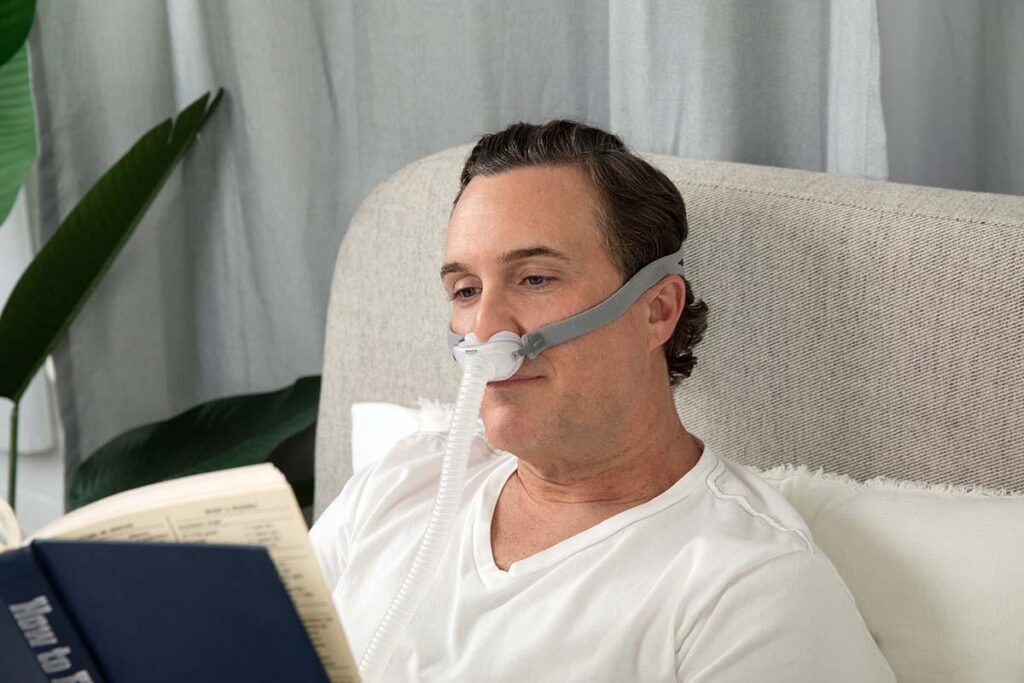
Adelaide sleep specialists are qualified medical professionals trained specifically in sleep medicine who conduct and interpret sleep studies. These specialists hold advanced qualifications in respiratory and sleep medicine, allowing them to analyze complex sleep data and identify subtle patterns that indicate specific disorders. Their expertise ensures that every sleep test receives thorough medical evaluation rather than automated computer analysis alone.
The medical professionals in sleep medicine working across Adelaide’s clinics bring specialized knowledge in managing conditions that often overlap or present with unusual symptoms. A patient experiencing daytime fatigue might have obstructive sleep apnea, narcolepsy, or idiopathic hypersomnia—conditions requiring different treatment approaches. Sleep specialists distinguish between these possibilities through careful interpretation of polysomnography data, medical history review, and clinical assessment.
Professional evaluation becomes critical when symptoms don’t fit typical patterns. Some patients present with multiple sleep disorders simultaneously, such as sleep apnea combined with restless legs syndrome. Others may have underlying medical conditions affecting their sleep architecture. Adelaide sleep specialists possess the clinical judgment to recognize these complexities and recommend appropriate diagnostic pathways.
The team approach at Adelaide sleep clinics typically includes:
- Sleep physicians who oversee diagnosis and treatment planning
- Respiratory specialists with expertise in breathing-related sleep disorders
- Sleep technologists who conduct overnight studies and monitor equipment
- CPAP therapists who provide device setup and ongoing support
These professionals work collaboratively to ensure accurate diagnosis. A sleep physician might review hundreds of hours of sleep data throughout their career, developing pattern recognition skills that automated systems cannot replicate. This human expertise proves essential for Sleep Testing Adelaide: Your Path to a Better Night’s Sleep, particularly when test results show borderline findings or conflicting data.
Specialist interpretation also matters for treatment success. A physician experienced in sleep medicine understands which patients will respond to CPAP therapy versus those requiring alternative interventions. They can adjust treatment plans based on individual response patterns and manage side effects that might otherwise lead patients to abandon therapy.
What Are the Health Risks of Untreated Sleep Disorders?
Untreated sleep disorders, especially obstructive sleep apnea (OSA), can lead to serious health problems that go beyond just feeling tired. When a person with OSA sleeps, their breathing repeatedly stops, causing oxygen levels to drop and blood pressure to rise. This puts a lot of stress on the cardiovascular system.
Cardiovascular Complications
The risks that untreated OSA poses to heart health are significant and well-known. Each time a person with OSA experiences a breathing pause, their body responds with a stress reaction that raises blood pressure and heart rate. Over time, this constant strain on the heart can lead to:
- Heart attacks – People with severe untreated OSA have a 30% higher risk of experiencing coronary events.
- Strokes – The likelihood of having a stroke doubles or triples in individuals with moderate to severe sleep apnea.
- Irregular heart rhythms – Up to 50% of people with OSA may develop atrial fibrillation, an abnormal heart rhythm.
- Heart failure – Chronic lack of oxygen during sleep gradually weakens the heart muscle, potentially leading to heart failure.
Metabolic and Endocrine Disruption
Sleep disturbances caused by untreated sleep disorders also disrupt hormone regulation and glucose metabolism. This can result in insulin resistance, making it increasingly difficult to control blood sugar levels. Research shows that individuals with OSA have higher rates of type 2 diabetes, and those already diagnosed with diabetes may experience worse complications and more challenging management of their blood glucose levels.
Additionally, appetite-regulating hormones such as leptin and ghrelin are affected by these disruptions, leading to weight gain that further exacerbates sleep apnea in a harmful cycle. Over months and years, this metabolic dysfunction creates health problems stemming from poor sleep.
Accident Risk and Daytime Functioning
Excessive daytime sleepiness caused by untreated sleep disorders significantly increases the risk of accidents. Studies indicate that individuals with OSA are 2.5 times more likely to be involved in motor vehicle accidents compared to those without any sleep disorders. The level of impairment caused by this condition is similar to that experienced when driving under the influence of alcohol; however, many individuals suffering from OSA do not realize how much their alertness has been compromised.
Workplace accidents also tend to rise among people with untreated sleep disorders, particularly in jobs that require sustained focus or operating heavy machinery. The cognitive fog resulting from poor sleep affects decision-making abilities, reaction times, and situational awareness—putting both the individual and others around them at risk.
Eye Health Complications
Untreated sleep disorders can also have negative effects on eye health. Conditions like dry eye syndrome and glaucoma have been linked to disrupted sleep patterns. Additionally, the lack of restorative REM (rapid eye movement) sleep associated with these disorders may contribute to vision problems over time.
It’s important for individuals experiencing symptoms of sleep disorders—such as loud snoring or excessive daytime fatigue—to seek professional evaluation and treatment. Addressing these issues not only improves quality of life but also reduces the risk of developing serious health complications down the line.
Furthermore, untreated sleep disorders can significantly impact eye health, leading to conditions such as dry eye syndrome or glaucoma due to disrupted sleep patterns. You may like to visit https://www.aihw.gov.au/reports-data/health-conditions-disability-deaths/eye-health/overview to get an overview about eye health.
How Do Sleep Studies Help Improve Treatment Outcomes?
Sleep studies turn vague symptoms into concrete data that doctors use to create personalized treatment plans for sleep disorders. The diagnostic results reveal the specific type, severity, and patterns of sleep disturbances, allowing specialists to prescribe targeted interventions rather than generic solutions.
What Makes Diagnostic Results Essential for Personalized Treatment?
Accurate diagnosis determines whether a patient needs CPAP therapy, oral appliances, positional therapy, or lifestyle changes. A sleep study measuring apnea-hypopnea index (AHI) scores helps specialists calibrate CPAP pressure settings to the exact level needed for each individual. Someone with mild OSA might benefit from weight loss and positional therapy, while severe cases require immediate CPAP intervention.
The benefits of accurate diagnosis go beyond identifying the condition itself. Sleep studies capture detailed information about:
- Oxygen saturation levels throughout the night
- Heart rate variability during sleep events
- Sleep stage disruptions and their frequency
- Body position correlations with breathing problems
- Limb movement patterns indicating restless legs syndrome
How Do In-Clinic and Home-Based Studies Compare for Reliability?
In-clinic polysomnography provides the most comprehensive data collection, monitoring brain waves, eye movements, muscle activity, heart rhythm, breathing patterns, and blood oxygen levels simultaneously. Trained technologists observe patients throughout the night and can adjust equipment or address technical issues immediately.
Home-based sleep studies offer convenience and natural sleep environment conditions while measuring essential metrics like airflow, respiratory effort, oxygen levels, and heart rate. These studies prove particularly reliable for diagnosing moderate to severe obstructive sleep apnea in patients without significant comorbidities. Adelaide clinics typically reserve in-clinic testing for complex cases involving suspected central sleep apnea, narcolepsy, or multiple overlapping sleep disorders.
See Also : The Ultimate Guide to a Sleep Apnea Test at Home Australia
What Role Does CPAP Therapy Play in Treatment Success?
Continuous Positive Airway Pressure (CPAP) therapy remains the gold standard treatment for obstructive sleep apnea, delivering pressurized air that keeps airways open during sleep. The therapy eliminates apnea events, restores normal oxygen levels, and allows patients to achieve restorative deep sleep stages.
What Should Patients Expect During a Sleep Test in Adelaide?
Preparing for a sleep study in Adelaide begins with understanding the process and knowing what to expect. Both home-based and clinic-based tests follow structured protocols designed to capture accurate data about your sleep patterns while minimizing disruption to your routine.
What happens during a home-based sleep test?
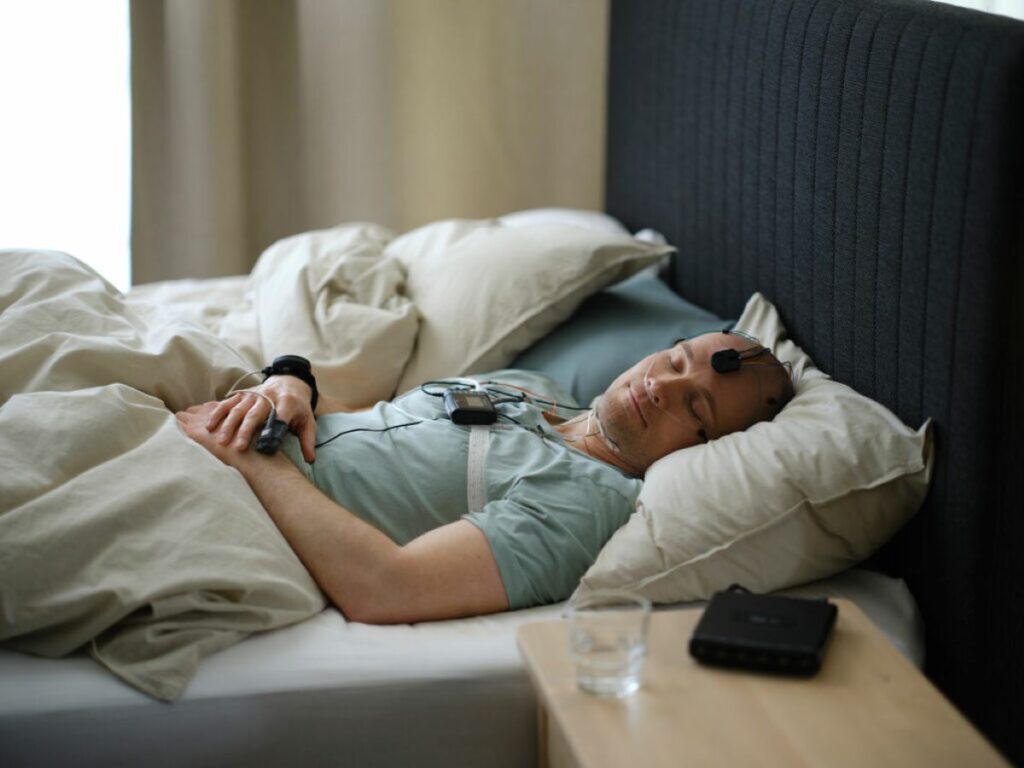
Home sleep studies offer convenience and comfort in your own bedroom. A sleep specialist provides you with a portable monitoring device that tracks breathing patterns, oxygen levels, heart rate, and body position throughout the night. You’ll receive clear instructions on how to attach the sensors before bedtime, typically involving placing bands around your chest and abdomen, a finger probe for oxygen monitoring, and a nasal cannula to measure airflow.
The equipment arrives at your home a day or two before your scheduled test date. Most patients find the setup straightforward, taking only 10-15 minutes to complete. You maintain your regular bedtime routine, sleep in your own bed, and return the device the following morning via courier or drop-off. For more detailed information about this process, Hopkins Medicine provides comprehensive insights.
What’s different about clinic-based sleep testing?
In-clinic polysomnography provides comprehensive monitoring in a private room designed to resemble a comfortable hotel setting. You’ll arrive at the sleep clinic about two hours before your usual bedtime. A trained sleep technologist applies sensors to your scalp, face, chest, and legs using medical adhesive that washes off easily.
These tests monitor additional parameters beyond home studies:
- Brain wave activity (EEG)
- Eye movements
- Muscle tone and leg movements
- Snoring and body position
- Video recording of sleep behaviors
A technologist monitors your sleep throughout the night from an adjacent room, ensuring quality data collection. You can move freely during sleep, and the room includes an ensuite bathroom for your convenience.
How should you prepare before your sleep test?
Preparation remains similar regardless of testing location. Avoid caffeine after 2 PM on test day, as it can interfere with your natural sleep patterns. Skip daytime naps to ensure you’re appropriately tired at bedtime. Continue taking your regular medications unless specifically instructed otherwise by your sleep physician.
Wash and dry your hair without using conditioners, oils, or styling products, as these can prevent sensors from adhering properly. Pack comfortable sleep attire for both home-based and clinic-based tests.
For those undergoing clinic-based tests, it’s important to understand what polysomnography entails as it is quite different from home testing.